Hybrid vs. Electric: Which Rent-to-Own Path Saves You More on Fuel?
By Gabriel Grillo · 6 October 2026
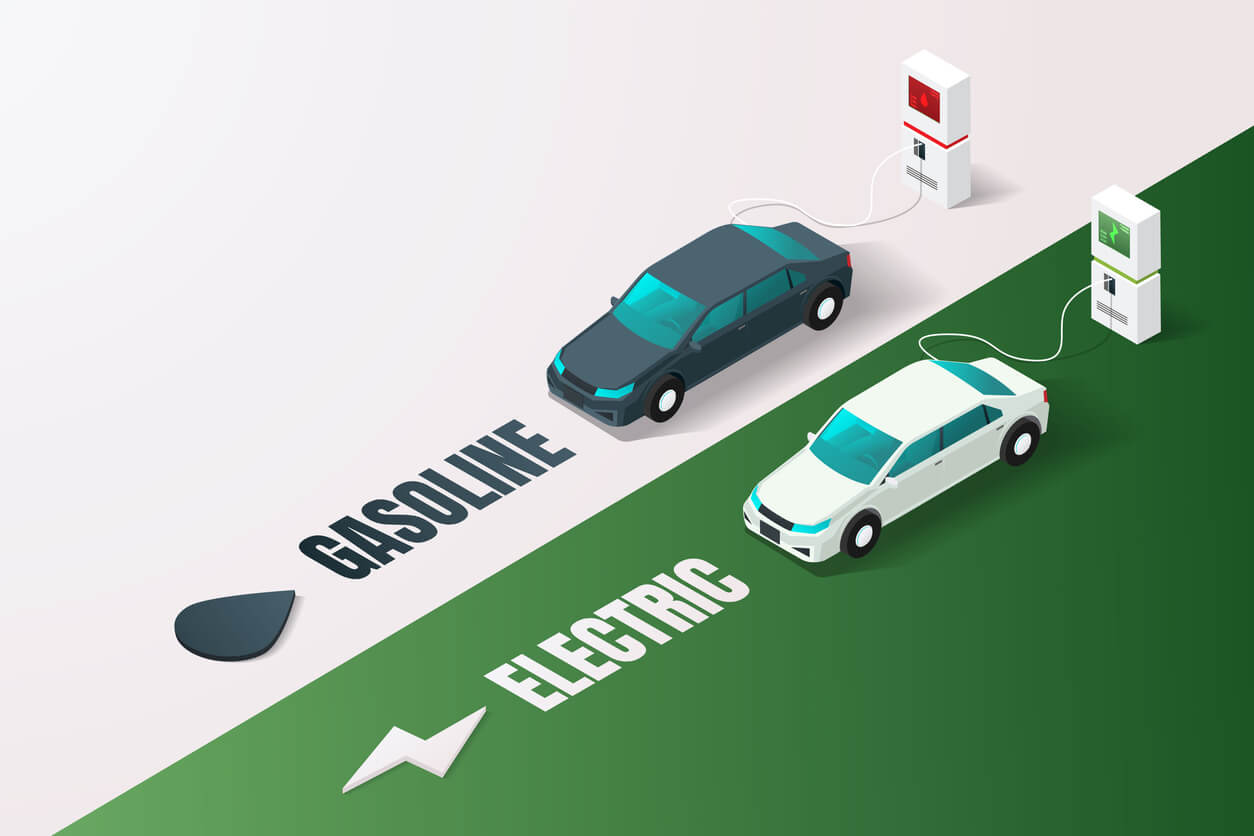
As more people become concerned about climate change, there has been a rise in demand for electric and hybrid vehicles.
While electric vehicles are better for the planet, they rely on access to a charging point at home or on the road to stay fuelled. On the other hand, hybrid cars can be fuelled using both electric and traditional fuel, making it easier to find a source of fuel.
However, which one has the best fuel cost-effectiveness? Read on to find out more.
Fuel Costs in 2026 — Why This Question Matters More Than Ever
When it comes to traditional petroleum-based fuel, costs are being driven up in 2026. This is because of:
- Geopolitical Tension: There are global supply disruptions due to the ongoing conflict between America and Iran. This has resulted in the closure of the Strait of Hormuz, a key shipping route for crude oil from the Middle East to the rest of the world. This has caused costs to surge above $120 USD.
- Policy Shifts: The Australian Government slashed tax on fuel to provide temporary relief to motorists. Once these measures are removed, prices may increase by up to 16 cents per litre.
- Cost of Living: Australians are spending between $150 and $250 more per month on fuel.
- Import Problems: Due to Australia only refining a small percentage of oil, the country is reliant on imports. If geopolitical unrest continues, there may be widespread supply issues.
How Much a Hybrid Actually Saves You
It is estimated that driving a hybrid vehicle will help save you $1,000 to $1,500 in fuel costs annually compared to a petrol car. This figure is based on a driving distance of 12,000 to 14,000km, which is the average annual driving distance of Australians. The fuel price used reflects the current average price of $2 per litre.
Put another way, standard petrol cars consume 7 to 9 litres per 100km. A hybrid only consumes 4 to 5 litres per 100km. This is a saving of 2-3 litres of fuel every 100km.
The fuel savings you make depend on the environment you are driving in. This is because hybrids capture energy while braking.
In urban environments, you can see a 50% reduction in fuel use due to stop-and-start traffic and a reliance on the electric motor. On highways, savings drop to 13-15% as the car moves at sustained high speeds. This means the car relies more on the petrol engine.
Hybrid models tend to be priced $2,500 to $6,000 higher than petrol models. When travelling 13,000km per year, it will take you 3 to 6 years of fuel savings to offset your initial investment.
How Much an EV Saves You — and the Trade-offs
It is difficult to put a figure together on the fuel cost savings of electric vehicles. This is because the cost of electricity varies depending on the source, with public charger costs being significantly higher.
On average, charging costs are $2 to $6 per 100km compared to $12-16 per 100km for petrol. This amounts to savings of approximately $100 on fuel each month.
Factors that impact savings include:
- Home Solar Panels: If you charge an EV using electricity from solar panels, costs will be close to free.
- Off-Peak Charging: Charging your car in off-peak times such as night can reduce costs.
- Increased Driving Distance: Since EVs have lower running costs, the more you use it, the more money you save.
- Novated Leases: When buying EVs through salary sacrifice, you qualify for tax exemption.
- Maintenance: EVs have fewer moving parts, meaning they require less servicing and repairs.
Some trade-offs to consider include:
- Vehicle Cost: Most EVs cost $2,000 to $10,000 more than petrol or diesel cars. It typically takes the average driver 3-7 years for this additional cost to pay off.
- Charging in Public: Charging in public can cost significantly more, especially for DC public chargers. This can mitigate savings.
- Insurance: This is typically more expensive than for petrol cars.
Which Makes More Sense on a 17-Week Swap Cycle?
A 17-week swap cycle is a flexible car subscription. This model includes:
- No Long-Term Contract: The ongoing agreement generally requires just 120 days (17 weeks) rather than 3-5 year loans.
- Swap Flexibility: You can swap your car at no extra cost after completing the 17 weeks.
- All-Inclusive Payments: The weekly or monthly payment covers the car's registration, insurance, routine servicing, and roadside assistance.
When considering all factors, electric vehicles win out for 17-week swap cycles. This is because you can avoid long-term battery degradation since the cycle is short. This means the EV is more likely to avoid a decline in resale value. Eligible EVs can also qualify for the FBT exemption when accessed through a novated lease.
Electric vehicles also have the lowest running costs and are significantly easier to maintain than hybrid cars.
Would You Like to Rent-to-Own a Hybrid or Electric Car?
Certified Autos offers both electric and hybrid cars to our customers. Our innovative rent-to-own model enables easy car swapping and has no long-term contract. You pay one flat fee a week, and a portion of your payment becomes loyalty points you can use to purchase a car through our retailers. Rego, Green Slip, Pink Slip, insurance, mechanical servicing and roadside assistance are covered by the cost.
For those not yet ready to commit to ownership, a long-term car rental can also provide access to hybrid and electric vehicles with greater flexibility. Browse for vehicles on our website and get in touch for support.