Maintenance 101: Who is Responsible for Servicing Your RTO Car?
By Gabriel Grillo · 6 October 2026
One of the most commonly asked questions people have when taking on a rent-to-own (RTO) agreement is: who is responsible for maintaining the car? This is a valid question, as rent-to-own agreements differ from standard car purchases, long-term car rental contracts, and other vehicle arrangements. Understanding what is included in your rental payment, what your responsibilities are, and what the provider's responsibilities are can help you to stay within the terms of your contract and avoid any unexpected fees, alongside keeping your car in great condition.
What's Included in Your Weekly Payment
One of the key advantages of a rent-to-own agreement is that in many cases, your payment covers more than just the actual renting of the vehicle — depending on your provider, it may include roadside assistance, registration, maintenance and access to customer support. If servicing is included in your agreement, this is a great perk too as it can help you to avoid any unexpected bills.
What Certified Autos Handles vs What You're Responsible for
With a rent-to-own agreement from Certified Autos, there is clear guidance on what the company will manage and what the driver is responsible for. Certified Autos will deal with the scheduled servicing of the car, ensuring that it receives maintenance in line with the manufacturer's guidelines.
By sticking to a service plan, the vehicle is kept safe, roadworthy, reliable, performing well and ultimately in the best condition. A key perk of this being included in agreements is that the team at Certified Autos will arrange for the work to be carried out, meaning that you don't need to worry about finding a reputable garage.
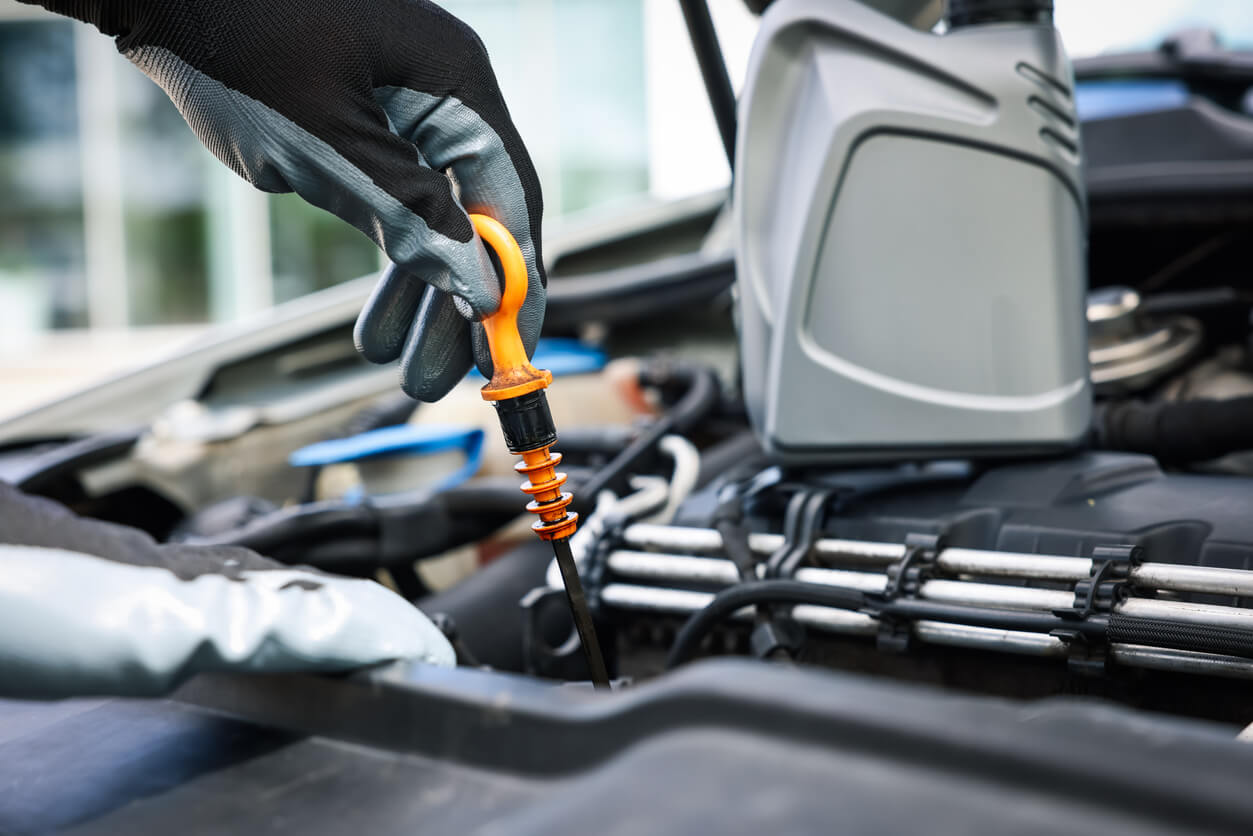
In terms of the driver's responsibilities, you are in charge of looking after the car on a day-to-day basis — so this means that you'll be expected to keep an eye on tyre pressures, monitor fluid and oil levels where necessary, keep the car interior and exterior clean, and report any issues with the vehicle as soon as they are noticed. It's also important that you drive the vehicle safely, responsibly and in line with local laws and regulations to avoid fines or penalties.
What to Do if the Car Needs Repairs
It's not unusual for even well-maintained cars to develop faults — if you notice a problem with how the car drives or sounds, or notice a warning on the dashboard, it's important to let the team at Certified Autos know as soon as possible. By reporting issues early, you ensure that problems aren't made worse and arrangements for repairs are planned as soon as possible.
If the car does develop a fault, it's also important not to carry out the repairs yourself or arrange for a garage to fix them, unless you have been given express permission to do so. Most RTO agreements come with strict terms when it comes to who can carry out work on the car, and specific procedures need to be followed.
Why This Differs From Owning or Financing a Car Outright
When you own a vehicle outright or access one through a car leasing or finance agreement, you are usually responsible for every aspect of the vehicle's maintenance and any repairs required. You also have to book service appointments, pay bills to garages yourself, and deal with any unexpected issues. By entering into a rent-to-own agreement, there is often greater support available in these instances as the provider still owns the car.
Simple Tips to Keep Your RTO Car Running Well Between Services
Keeping up with maintenance and servicing plays an important role in the life of any vehicle, and there are a few simple tips which can help you keep your RTO car running smoothly. The first thing to do regularly is to check tyre pressures — some cars have an in-built tyre pressure monitor which will show you on the dash if there is an issue, but it's good practice to manually check tyres too. Alongside pressures, it's good to keep an eye on the amount of tread left and if there are any foreign objects lodged into the tyre.
Responsible driving also helps to reduce wear and tear — for example, gentle acceleration and braking can reduce wear on the brakes, which can extend their life alongside helping your tyres and suspension.
A key thing to do when you are running any vehicle is to never ignore warning lights and always report or investigate any strange sounds or issues straight away — this can help you to avoid bigger problems further down the line.
Conclusion
Maintaining a rent-to-own vehicle doesn't have to be hard work — by understanding what is included in your payment and knowing what your responsibilities are vs what those of Certified Autos are, you can keep the car in tip-top condition and keep yourself on the road hassle-free.
Regular servicing, responsible driving and day-to-day care are all important aspects of keeping your car safe and in great condition, and when you bear these in mind, an RTO agreement can be a convenient and flexible way to get on the road with confidence.